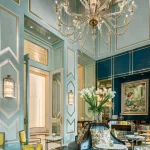
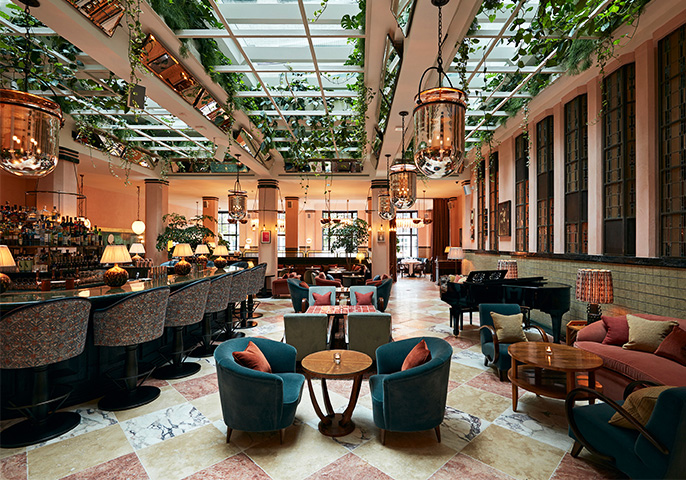
Soho House is changing. This newly privatised, multibillion‑dollar brand is using performance, recovery, and retreat-style experiences to turn its global Houses into holistic wellbeing hubs for the modern creative.
Soho House is entering a new chapter, using wellness and longevity as the engine for its next phase of global growth and cultural relevance.
What began as a creative members’ club for artists, media, and fashion insiders is evolving into a lifestyle platform where ice baths, red light therapy, padel courts, and plant-based cafés now sit comfortably alongside cocktails, screenings, and rooftop pools. In the process, the newly privatised, multibillion‑dollar brand is reshaping what a modern members’ club looks and feels like.
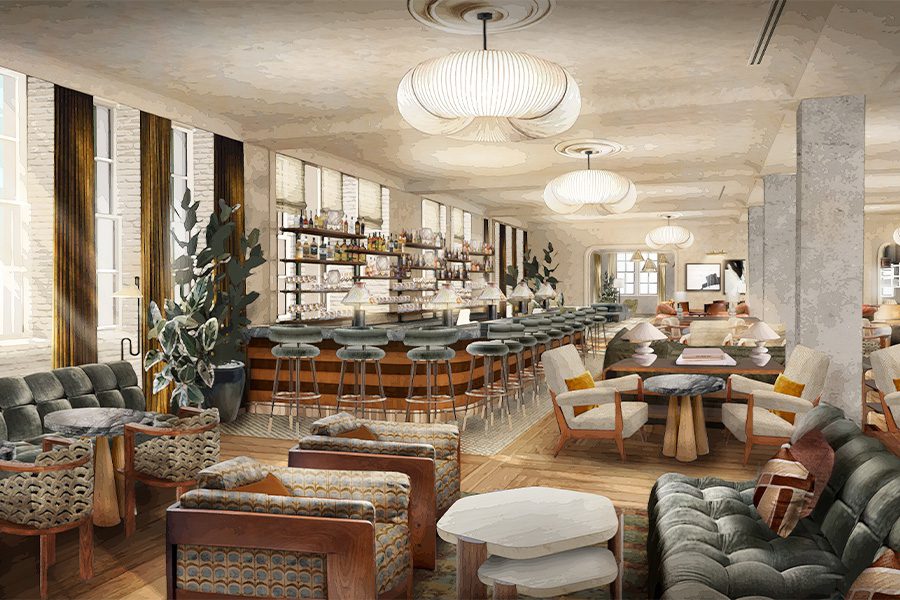
From cool club to wellbeing ecosystem
Founded in 1995 in London’s Soho, the brand has grown into a global network of more than 45 Houses, spanning Europe, the Americas, and Asia.
For much of its history, its appeal rested on atmosphere: low lighting, beautiful spaces, a tight door policy, and a sense of being part of a creative inner circle. Now, the definition of “good living” has shifted, and so too has Soho House’s strategy.
Members are increasingly asking for reformer Pilates, structured strength training, and recovery therapies as part of their everyday routine, not just a hotel‑style spa bolt‑on.
Leadership has openly credited this pivot toward health and longevity with boosting revenues and driving a staggering waitlist of around 270,000 people eager to join. Wellness, in other words, is no longer a side amenity; it is becoming a core pillar of the brand.
Soho Health Clubs and the science of recovery
Central to this new direction is the rollout of in‑house Soho Health Clubs, which bundle performance, recovery, and social connection into a single members‑only environment. Recent openings and refurbishments showcase a more scientific, high‑touch approach: PEMF recovery mats, LED light treatments, HydraTherm beds, IV infusions, and contrast therapy now appear alongside gyms and studios.
Barcelona Pool House, one of the brand’s newer concepts, pairs a dedicated health club with next‑generation wellness tools and its first fully plant‑based café, signaling how food, fitness, and recovery are being consciously woven together.
At the same time, strength training has been elevated from optional extra to essential, with CEO Andrew Carnie emphasising that new science on muscle and longevity is directly informing programming.
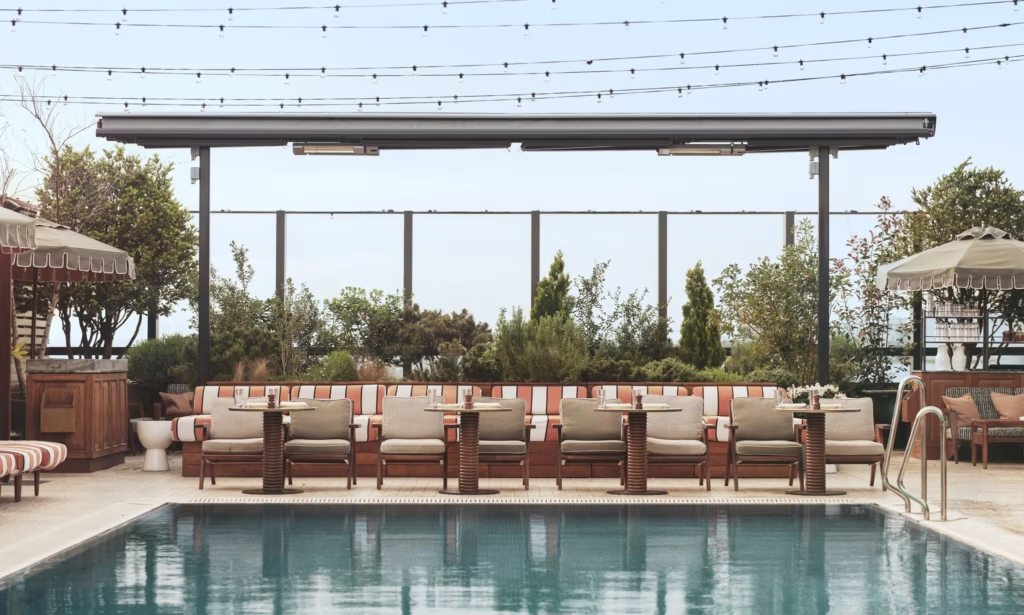
Retreat‑style experimentation: Farmhouse and beyond
The shift becomes even more obvious at retreat‑style properties such as Soho Farmhouse Ibiza, where the wellness agenda is as important as the design language. Here, members move between hot‑spring‑style baths, contrast therapy suites, IV drips, and open‑air social spaces, blurring the line between rustic escape and longevity lab.
The UK’s farmhouse site has leaned into the same idea with padel courts and high‑tech recovery zones, including red light therapy, hyperbaric chambers, and diagnostics in a dedicated “Lazy Lab”‑style concept designed to make optimization feel indulgent rather than clinical.
This retreat model allows the brand to test deeper wellness stacks—protocols that combine movement, heat and cold exposure, breathwork, and data‑driven assessments—before selectively introducing elements at more urban Houses. The result is a portfolio where each property has its own character but still feeds into a cohesive, health‑forward narrative.

Expansion: wellness as the wedge
The future pipeline underscores how tightly wellness is now woven into expansion. Seven new Houses are in development, including Tokyo, Sydney, and a New York State farm stay, all of which are expected to feature more advanced health, fitness, and recovery offerings. In Manchester, the upcoming House will showcase a Technogym‑ and BLK BOX‑equipped gym, reformer Pilates, saunas, steam rooms, and a weekly run club as standard, not premium add‑ons.
Other projects, such as Barcelona Pool House and additional Houses in North America, build on an existing track record: many sites already offer Cowshed spa and health‑club facilities, and several have layered in partnerships like connected rowing systems to enhance performance training.
As new openings roll out across Europe, the Americas, and Asia, Soho House is effectively using wellness as its calling card—a way to differentiate in markets where rooftop bars and nice interiors are no longer enough.

A post‑IPO reset and a broader vision
The wellness acceleration is also tied to a structural reset. After a stint as a public company, Soho House returned to private ownership in 2025, a move explicitly linked to regaining flexibility for expansion and product evolution.
With a valuation reported in the multi‑billion‑dollar range and strong revenue and EBITDA growth in recent quarters, the business now has both financial incentive and cultural momentum to double down on its health‑centric strategy.
What emerges is a broader vision: Soho House as a 24‑hour lifestyle environment where members can train, recover, work, socialize, and stay overnight without ever leaving the ecosystem. Fitness studios, longevity treatments, and diagnostics become as integral to the experience as members’ events or screenings—part of a continuous loop of care rather than a once‑in‑a‑while treat.
The future of the members’ club
There are tensions to manage along the way. Some long‑time members worry that rapid global expansion risks diluting the brand’s intimacy, while others question how far a club built on hedonism can lean into health without losing its edge.
Soho House’s answer so far has been “both/and”: martinis and ice baths, DJ nights and early‑morning reformer classes, Sunday roasts and fully plant‑based cafés.
If the current trajectory continues, the next generation of Houses—from Sydney to Tokyo and rural New York—will function as cultural hubs where longevity is quietly baked into the architecture of everyday life.
In that sense, Soho House is not just following a wellness trend; it is attempting to redefine what it means to belong to a members’ club in an era when feeling good, performing well, and staying well may be the ultimate markers of luxury