

Global wellness in luxury hotels is anything from stealth muscle training and longevity labs to sauna socials and star-lit workouts.
High-end hotels from London to the middle Eastern deserts are reinventing fitness as a sensual, social, and hyper-personalised part of every stay.
In 2026, fitness in luxury hospitality is no longer an optional extra—it is a central language through which brands define themselves.
Guests are choosing hotels not just for design or location, but for whether the property can support how they want to move, recover, and feel, whether that means a stealth-muscle mobility session, post flight recovery, or a sauna social with friends.
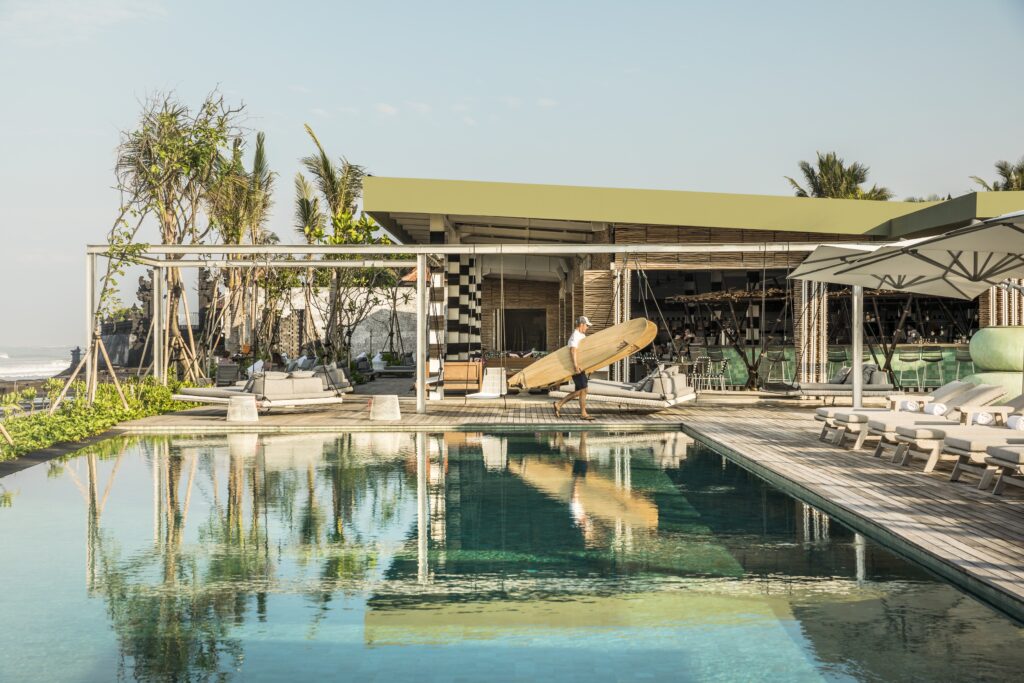
For the world’s leading luxury hotels, the challenge and opportunity are clear: design fitness and wellness experiences that are as beautiful, layered, and memorable as the suites and views that surround them.
Luxury hotels are turning their fitness spaces into full-scale wellness playgrounds in 2026, blending science-backed training with sensory, social, and hyper-personalised experiences.
Around the world, gyms are shifting from rows of treadmills to flexible “movement hubs,” while brands experiment with everything from longevity diagnostics to sauna parties and night time star-lit workouts.
The result is a new era where the hotel gym is no longer a box-ticking amenity, but a defining feature of the stay.

Stealth muscle and movement-first gyms
One of the clearest shifts is away from bodybuilder-style aesthetics toward “stealth muscle” – functional strength, mobility, and joint health that supports longevity rather than just looks.
Luxury properties are redesigning gyms around open “movement zones,” swapping out little-used machines for space to do Pilates, mobility flows, and strength circuits with free weights, kettlebells, and suspension trainers.
Accor, for instance, has flagged this kind of functional training as a core trend, while brands like Anantara have partnered with Technogym to deliver athletic-focused retreats and in-room training content that mirror guests’ home routines.
COMO globally implemented this type of training decades ago in their hotels globally.
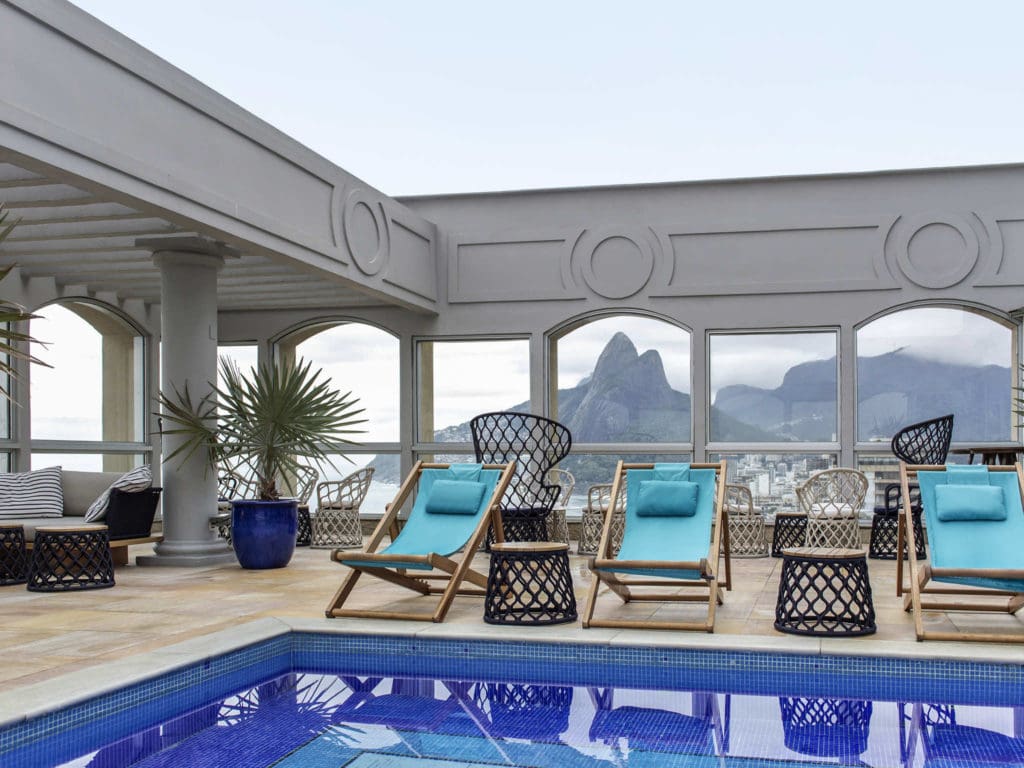
Longevity labs go hotel-side
Longevity has moved from clinic to check-in desk, with top hotels now integrating diagnostics, biohacking tools, and recovery science directly into their wellness offerings.
At ultra-luxury clubs and hotel-attached health concepts like Surrenne at The Emory in London, guests and members can access tailored programs built around metabolic, cardiovascular, and hormonal testing, paired with highly individualised training and recovery plans.
Other high-end brands and med-wellness resorts are adding hyperbaric chambers, IV drips, red light therapy, and cellular health treatments, translating health-span science into carefully curated, high-touch experiences.

From optimization to “deep luxury”
After years of intense biohacking, travelers are seeking a softer, more soulful expression of wellness – sometimes described as “deep luxury”: fewer spreadsheets, more feelings.
For 2026, wellness travel forecasts highlight a swing toward experiences that blend pleasure and presence, like sound baths in the desert, star-bathing under dark skies, and movement classes framed more as joy than discipline.
Luxury hotels are responding with slower, ritual-driven offerings: guided forest runs instead of treadmill miles, lakeside cold plunges instead of purely clinical cryotherapy, and restorative “calmcations” designed as counterpoints to high-stress city life.
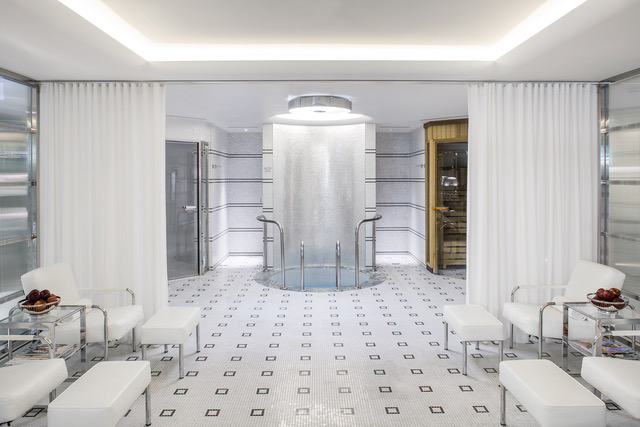
Social fitness and club-style communities
Hotel gyms are also becoming social spaces, mirroring the energy of boutique studios and private members’ clubs. Urban luxury properties in particular are layering in weekly run clubs, rooftop yoga flows, DJ-led spin or dance sessions, and small-group strength classes that attract both guests and locals.
Lifestyle-forward brands and new “fit-first” hotel concepts are leaning into membership models, using community programming and wellness events to drive repeat business and build loyalty around a shared, health-centric culture.
Tech-enabled, hyper-personal training
Technology remains a quiet backbone of the 2026 fitness experience, even as guests seek less clinical atmospheres. Wearable integrations, AI coaching, and smart equipment allow travelers to pick up their program exactly where they left off at home, whether through connected bikes, guided strength protocols, or app-linked recovery sessions.
Forward-thinking luxury brands are using this data to deliver hyper-personalised recommendations: suggesting mobility work after long-haul flights, strength sessions tied to marathon prep, or sleep-optimised routines for jet-lagged executives.

Recovery as a core attraction
Recovery has stepped out of the spa and into the center of the fitness narrative. Infrared saunas, contrast therapy, compression boots, sound and light therapy, and guided stretching sessions are now standard features in many high-end wellness destinations, positioned as essential for performance and longevity.
Rather than treating massages as a final-day indulgence, brands are building “recovery journeys” across the stay, encouraging guests to alternate between training zones and dedicated restoration spaces designed with circadian lighting, natural materials, and quiet, restorative soundscapes.

Regional flavors: desert, city, and sea
How these trends show up varies by region. Desert and nature-based resorts are emphasizing outdoor fitness – trail runs, sunrise yoga, rock scrambling, and desert “therapy” paired with stargazing and silence-focused experiences.
Coastal and island properties are blending blue‑health with movement through guided open-water swims, paddle fitness, and beach bootcamps, often wrapped into longer wellness retreats and “movement at sea” programs.
Meanwhile, city hotels in hubs from London to Dubai and New York are doubling down on sleek, science-backed gyms, longevity diagnostics, and community fitness events that fit neatly into a business traveler’s 48-hour stay.