
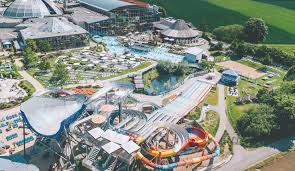
Therme group Is investing serious money into a new wellness destination in Singapore and it is fully sustainable.
Therme Group is set to make a bold splash on Singapore’s waterfront, announcing a landmark S$1 billion wellness destination at Marina South that promises to redefine urban wellbeing in Asia.
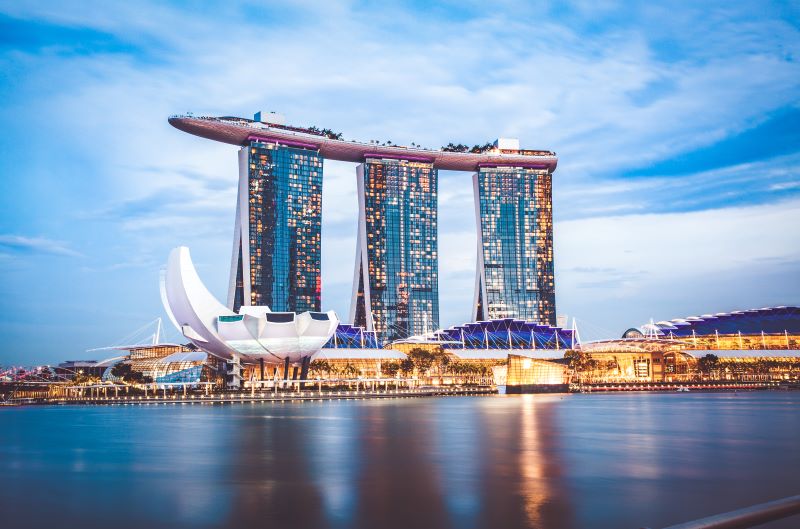
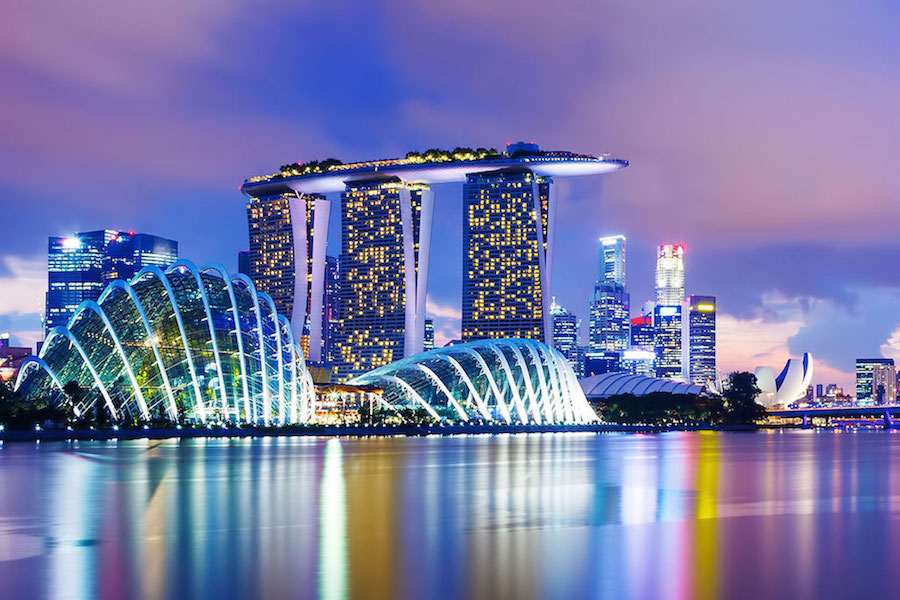
Positioned adjacent to icons like Marina Bay Sands and Gardens by the Bay, this four-hectare complex is more than just another development—it marks the first Asian venture for a company celebrated across Europe for merging spa culture, innovative tech, and nature-inspired design.
A Visionary Urban Oasis
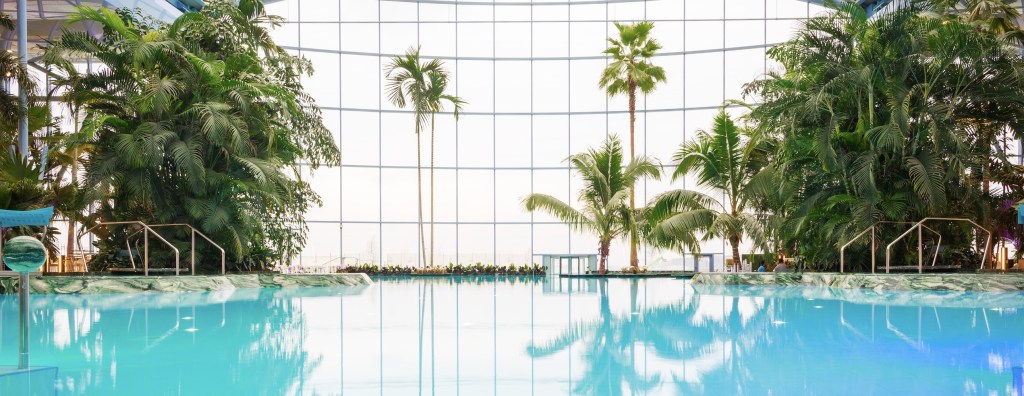
Slated to open by 2030, Therme Singapore is designed as a “sweeping urban oasis” offering thermal pools, botanical gardens, immersive art installations, saunas, steam baths, and water slides, all connected by cutting-edge health technology.
Sustainability is woven into every detail of the project—from proprietary water recycling and renewable energy solutions to biophilic designs that echo the city’s garden ethos.
The site, spanning six football fields, transforms utilitarian urban space into a festival of wellness, promising restorative and communal experiences for visitors of every age.
The architecture of the complex, a collaboration between DP Architects and Therme’s in-house designers, pays homage to Singapore’s status as a “garden city,” blending lush green space with restorative waterscapes.
As Robert Hanea, Therme Group CEO, put it, the aim is to create “a state-of-the-art facility that transforms urban life by making holistic health enjoyable and accessible to all”.
Melding Tradition, Technology, and Community
What sets this development apart is its integrative approach to health, culture, and society. Inspired by the popularity of Therme’s European resorts in Bucharest and Erding—both world leaders in visitor numbers—the Singapore outpost adapts spa traditions to the sensibilities and climate of Southeast Asia.
Key offerings will include:
- Thermal pools and mineral baths, open year-round and appealing to local traditions of hydrotherapy.
- Large public botanical gardens and art installations, providing not only relaxation but community gathering spaces and cultural enrichment.
- Technology-forward health amenities, blending diagnostics, personalized therapies, and “wellness AI” trends that are gaining traction worldwide—including in North America and Europe, where AI-driven wellness platforms and immersive spa experiences are rising rapidly.
The destination will serve an estimated 2 million visitors per year at full capacity, with at least half projected to be international tourists. This aligns with broader goals of Singapore’s Tourism 2040 vision: to strengthen high-value, diversified tourism and cement the city as Asia’s premier urban wellness haven.
Wellbeing as Urban Policy
The bid for Therme Singapore is not just a business play. It reflects an evolving philosophy in urban planning: that access to wellness, nature, and culture should be a core feature of great cities.
Jean Ng, assistant chief executive of the Singapore Tourism Board’s experience development group, emphasised this vision: “Their approach to wellness—encompassing physical, mental and emotional wellbeing—aligns well with our focus areas.
This attraction will draw travellers seeking wellness experiences, potentially increasing length of stay and spend, whilst providing locals with best-in-class wellness experiences”.
Therme Group’s chairman for Asia, Mah Bow Tan, echoed the commitment to inclusivity: “Therme Singapore embodies the vision of wellness for all.
We will create a welcoming space that caters to people of all ages and backgrounds, promoting healthy living, social connection and community wellbeing”. Beyond the facility, Therme will help develop a nearly four-hectare public park linking Marina Barrage to the wellness attraction, making it a major gift to public life and urban biodiversity.
Part of a Global Wellness Wave
Therme Singapore arrives as global interest in immersive and personalized wellness reaches new heights. The wellness economy is projected to reach US$8.5 trillion by 2027, with consumers seeking holistic experiences that integrate mind, body, and social connection.
Across North America and Europe, trendsetters like Therme, teamLab, and Othership are pushing spa and wellness concepts far beyond simple relaxation, introducing guests to art-driven therapy, high-tech diagnostics, and immersive sound and light environments.
Therme’s European resorts regularly combine mineral bathing with digital art, music, and botanical experiences. Its future competitors and collaborators in Singapore will be watching closely, with local innovations like the Ice Bath Club and Joya Onsen Café already proving popular among younger, urban consumers.
Moreover, Therme’s model aligns with trends in the attractions industry, where theme parks, museums, and waterparks are increasingly blending wellness, entertainment, and cultural engagement into new hybrid offerings.

Long-Term Impact and Opportunity
For Singapore, the investment brings immediate economic benefits—high tourism receipts, employment, and international prestige.
But the longer view is societal: at a time when urban stress, environmental constraints, and mental health concerns are rising, Therme Singapore models what it means to “make holistic health enjoyable and accessible to all”. Its impact could ripple out across Asia, inspiring other cities to integrate wellness—rather than simply recreation—into the DNA of city life.
As the world crowds into cities, ventures that blur the boundaries between nature, culture, and wellbeing will shape not just how people relax—but how they live. Therme Singapore is more than a spa: it’s a prototype for the restorative city of tomorrow.


